Perfume Icons in Digital Design: Balancing Aesthetics and Functional Clarity
In the expansive landscape of makeup and beauty collections, perfume occupies a unique position. Unlike color cosmetics or skincare, which are often represented by their physical application or texture, fragrance is an invisible experience. This presents a specific challenge for web designers, infographic creators, and brand strategists: how to visually communicate scent through static imagery. The perfume icon serves as this critical bridge, translating an olfactory product into a visual symbol that users can instantly recognize and categorize. When selecting vector graphics or simple line elements for templates, the decision goes beyond mere decoration; it involves evaluating semiotics, technical versatility, and audience resonance.
Defining the Visual Language of Fragrance
To choose the right asset, one must first understand what distinguishes a perfume symbol from generic beauty icons. While a lipstick icon represents color and a cream jar represents hydration, a perfume icon must convey luxury, atmosphere, and composition. In digital interfaces and print collateral, these symbols generally fall into three distinct stylistic categories, each serving different functional purposes.
The Classic Bottle Silhouette: This is the most literal interpretation, featuring a recognizable vessel shape, often with a spray nozzle or stopper. It is universally understood but can sometimes feel generic if not stylized correctly. This style works best for e-commerce navigation where clarity is paramount over artistic expression.
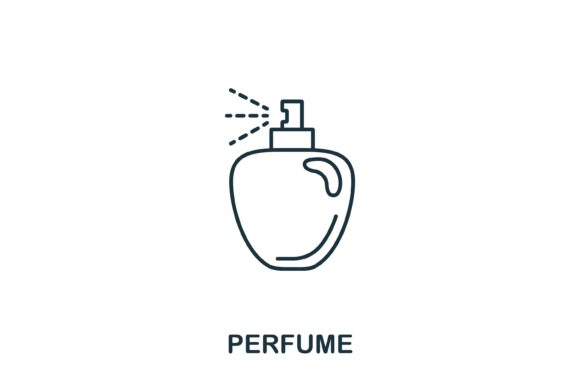
The Abstract Line Element: Simple line art that suggests the form of a bottle or the movement of scent without detailing the container itself. These symbols prioritize minimalism and are ideal for modern web design, app interfaces, and infographics where screen real estate is limited. They reduce cognitive load while maintaining thematic relevance.
The Botanical or Ingredient Motif: Rather than depicting the packaging, these icons represent the source materials—flowers, citrus, woods, or spices. This approach is distinct because it focuses on the contents rather than the container. It is particularly effective for niche perfumery, clean beauty brands, or educational content explaining fragrance notes.
Evaluating Vector Formats: EPS vs. JPG in Professional Workflows
When acquiring resources for design projects, the file format dictates the utility of the asset. Most professional perfume icon packs provide both EPS and JPG files, but understanding when to deploy each is essential for maintaining quality across media.
EPS (Encapsulated PostScript): This is the industry standard for editable vector graphics. An EPS file contains mathematical paths rather than pixels, meaning the perfume symbol can be scaled from a 16-pixel favicon to a billboard-sized advertisement without any loss of resolution. For designers using Adobe Illustrator, CorelDRAW, or Affinity Designer, the EPS format allows for complete customization. You can adjust stroke weights to match your brand’s typography, change colors to align with seasonal campaigns, or combine multiple line elements into a composite logo. If you are building a scalable design system or require precise alignment in a template, the EPS file is the primary resource.
JPG (Joint Photographic Experts Group): While less flexible, JPG files serve a vital role in rapid prototyping and non-designer workflows. A JPG is a rasterized preview that requires no specialized software to view or insert. For marketing managers creating quick presentations, bloggers embedding images in CMS platforms, or stakeholders reviewing concepts before final production, the JPG offers immediate accessibility. However, it lacks transparency and scalability. Relying solely on JPGs for final production assets often leads to pixelation on high-DPI screens or awkward white backgrounds that clash with dark-mode web designs.
Tradeoffs Between Custom Illustration and Pre-Made Assets
A common decision point for beauty brands is whether to commission bespoke iconography or utilize pre-made perfume symbols from curated collections. Both approaches have valid use cases depending on budget, timeline, and brand maturity.
- Pre-Made Collections: These offer speed and cost-efficiency. A well-curated pack ensures stylistic consistency across multiple icons (e.g., matching line weights for perfume, lotion, and serum symbols). This is ideal for startups, editorial content, or internal documentation where "perfect" uniqueness is less important than coherent communication. The tradeoff is that other entities may use similar assets, potentially diluting distinctiveness in a crowded market.
- Custom Commissioned Art: Bespoke icons guarantee exclusivity and can incorporate proprietary bottle shapes or specific brand motifs. This is necessary for established luxury houses or brands with highly specific visual identities. The tradeoff is significantly higher cost and longer lead times. For many small-to-medium businesses, the return on investment for custom iconography does not justify the expense when high-quality, editable vector alternatives exist.
Semantic Fit: Matching Icon Style to Content Strategy
Selecting a perfume icon is not merely an aesthetic choice; it is a semantic one. The symbol must align with the message being conveyed. Misalignment between the visual style and the content tone can create subconscious friction for the user.
Luxury and Heritage: If the content focuses on high-end perfumery, history, or exclusivity, ornate line work or serif-influenced symbols are appropriate. Thin, elegant strokes suggest refinement. Heavy, bold lines may inadvertently signal mass-market or utilitarian products. In this context, the icon acts as a signifier of price point and prestige.
Clean Beauty and Transparency: For brands emphasizing natural ingredients, sustainability, or safety, the icon should reflect simplicity. Open line elements, organic curves, and botanical integrations communicate purity. Overly complex or synthetic-looking vectors can undermine claims of naturalness. Here, the perfume symbol functions as a trust signal.
Technical and Educational: Infographics explaining top, middle, and base notes require functional clarity over emotion. Geometric, standardized symbols that resemble technical diagrams are superior here. The goal is information transfer, not aspiration. Using overly decorative icons in educational contexts can distract from the data and reduce comprehension.
Integration Best Practices for Web and Print
Once the appropriate perfume symbol has been selected and edited, proper implementation ensures it performs effectively across touchpoints. Several technical and design considerations separate amateur layouts from professional executions.
- Consistency in Stroke Weight: When integrating a perfume icon alongside text or other UI elements, ensure the line thickness matches the surrounding typeface. A heavy icon next to light-weight font creates visual imbalance. Editable EPS files allow designers to harmonize these weights precisely.
- Negative Space Management: Perfume bottles are often complex shapes. In small sizes (such as mobile navigation bars), internal details like labels or liquid levels become visual noise. Simplifying the symbol to its outer contour improves legibility at reduced scales. Test the icon at actual display size, not just at zoom-level.
- Color Psychology Alignment: While black or dark grey is standard for neutral iconography, colored perfume symbols can reinforce scent associations. Gold suggests warmth and amber notes; cool blues suggest aquatic or fresh scents; greens imply herbal or botanical compositions. Use color strategically to add a layer of sensory information that the shape alone cannot convey.
- Accessibility Considerations: Icons are visual aids, not replacements for text. Always pair perfume symbols with descriptive alt text or visible labels. Screen readers cannot interpret the semantic meaning of a vector graphic without proper tagging. Furthermore, ensure sufficient contrast ratios between the icon and its background to meet WCAG guidelines, especially for thin line elements that may disappear against busy textures.
When to Reconsider the Perfume Symbol
Despite their utility, there are scenarios where a traditional perfume icon may not be the optimal solution. Recognizing these limitations prevents forced design choices.
If the product category blurs lines between fragrance and body care (e.g., perfumed body oils or scented lotions), a hybrid symbol or a more generic "beauty" icon might better represent the dual function. A strict perfume bottle silhouette could mislead users expecting a traditional alcohol-based spray. Similarly, in highly experimental or avant-garde branding, conventional symbols may feel too safe. In such cases, abstract patterns, typographic treatments, or photographic textures might communicate the brand’s ethos more effectively than a standardized vector.
Additionally, consider cultural context. Certain bottle shapes or floral motifs carry specific cultural connotations that may not translate globally. If designing for an international audience, opt for neutral, geometric representations or conduct regional testing to ensure the symbol resonates appropriately. What reads as "elegant" in one market may appear "dated" or "clinical" in another.
Making the Final Selection
Ultimately, the right perfume icon balances three factors: recognition, adaptability, and brand alignment. Start by defining the primary use case—is this for navigation, decoration, or education? Then evaluate available assets against technical requirements, prioritizing editable EPS files for long-term flexibility. Finally, test the symbol in context, ensuring it maintains clarity at various sizes and harmonizes with your broader visual system.
By approaching perfume iconography as a strategic design element rather than an afterthought, creators can enhance user experience and strengthen brand communication. Whether utilizing a simple line element for a minimalist website or an ornate vector for luxury packaging, the goal remains consistent: to make the invisible experience of scent visible, accessible, and compelling to the target audience. The availability of both EPS and JPG formats in modern resource packs supports this workflow, offering professionals the precision they need while providing stakeholders with accessible previews for efficient collaboration.